




Len de l’El (or “Loin de l’œil”) is our main white grape variety: it accounts for two-thirds of our white plantings, around 7 hectares. Exclusive to Gaillac and unknown elsewhere, it expresses itself in two very different registers depending on how it’s worked: a fine, aromatic dry white, or a late-harvest wine of exceptional richness and complexity. It’s in this second style that it truly shows its full potential.
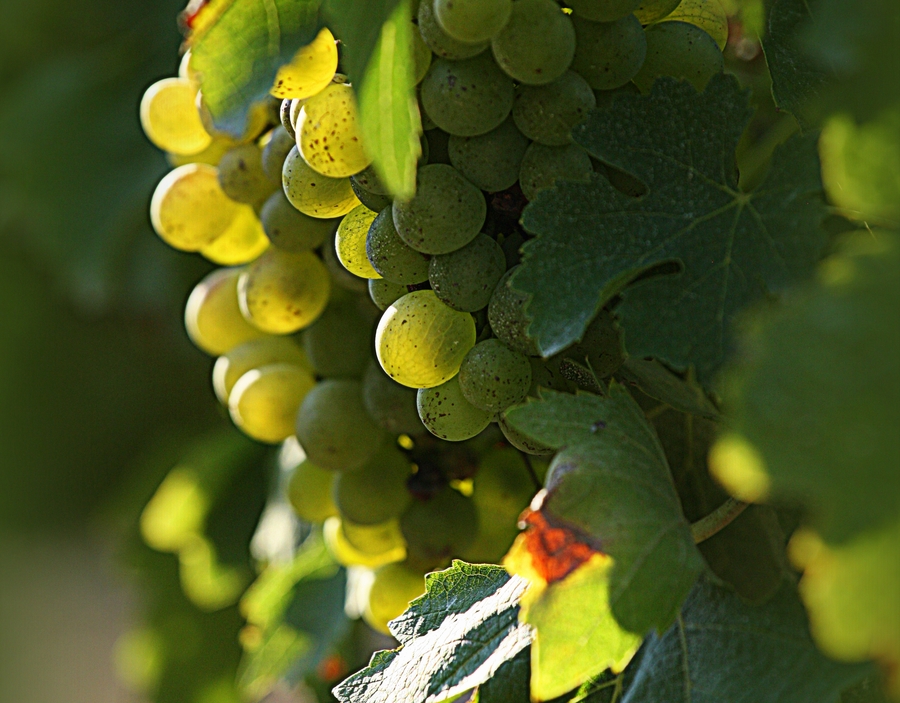
Its name comes from Occitan. “Len de l’el” means “far from the eye” (the “eye” being the bud, in winegrowing terms). The bunch is indeed carried on a very long stalk that sets it apart from the shoot that bears it — far from the eye that gave rise to it. An even more colourful version of the story claims the bunches are also far from the picker’s eye, who might easily overlook a few. That’s pure mischief-making, but the image says something true about this variety: it’s generous, exuberant, sometimes hard to contain.
At Domaine Rotier, Len de l’El has been grown since the estate’s earliest days. But it was from 1989 that we really began to understand what it could give, and from 1994 that we discovered its true potential: late-harvest wines.
A grape of mysterious origin, present since the Middle Ages
Little is known about the history of Len de l’El. 16th-century documents already refer to it under its Occitan name. Some researchers have suggested an origin among the wild vines of the Grésigne forest, north of the Gaillac area. But the theory remains unconfirmed. What is certain is that it has no known related varieties — it doesn’t belong to any major international grape family, rooted instead in a purely Gaillac genetic pool it shares with Mauzac and Ondenc. A variety with no cousins, no passport of origin, that has grown here for centuries without anyone really knowing where it came from.
In the early 20th century, white Gaillac typically included around 30% Len de l’El. It likely featured in the blends of the sweet white wines that, in the 17th and 18th centuries, were highly prized as far afield as England, Flanders and Holland. Long looked down upon for its tendency to overproduce if left unchecked, it was relegated to simple dry white wines for much of the 20th century — until some winegrowers rediscovered what it really had to offer.
Len de l’El in the vineyard: generous but demanding
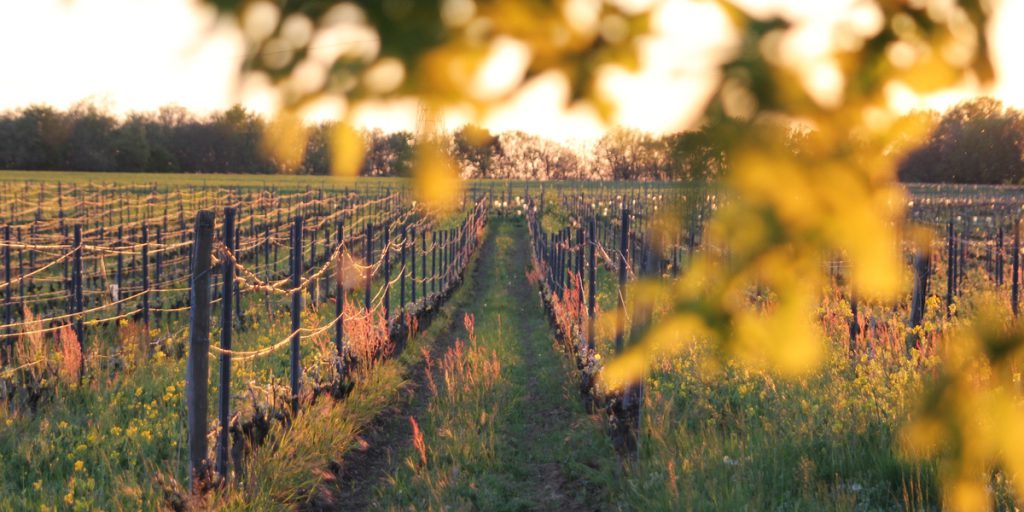
It’s a vigorous, productive, early-ripening variety (early September). Its bunches are large, sometimes heavy and compact, which can lead to significant differences in ripeness between berries on the same bunch. To address this, some winegrowers practise on-vine raisining: a few days before harvest, vine by vine, they pinch the stalk of the ripest bunches so the sap concentrates on those still green. A painstaking, entirely manual task.
Its susceptibility to rot is high. But it has one valuable trait: it rots easily without the berries splitting (provided the vines aren’t overloaded). This characteristic, which would be a flaw in other varieties, becomes a considerable asset late in the season: Gaillac’s beautiful late autumns, often accompanied by a spell of the Autan wind, concentrate this rot into noble rot within a matter of days. That’s how our late-harvest wines are born.
As with Duras, yield is the key variable. A Len de l’El left to its own devices will produce plenty of grapes and little character. A Len de l’El grown at moderate yields, on well-drained gravel soils, reveals a finesse and complexity you wouldn’t expect.
What Len de l’El brings to the glass
As a dry white, Len de l’El produces aromatic, fine wines, with well-integrated acidity and lovely freshness. The aromatic profile is generous: white flowers (acacia, hawthorn), citrus, white-fleshed fruit (peach, pear), and on the palate a slight bitterness on the finish that is the variety’s true signature. Few French white wines carry such a recognisable imprint.
In late-harvest wines, the register changes completely. The concentration of sugars under the effect of noble rot transforms the variety. The aromas shift towards exotic fruit, honey, dried fruit, beeswax. The richness is there, but without becoming heavy. This is what sets Gaillac’s great late-harvest wines apart from the sweet wines of Bordeaux or Alsace: a richness that stays light, almost airy.
Len de l’El at Domaine Rotier: thirty years of experience
It was in 1989 that we began working seriously with Len de l’El for our Renaissance dry white, at moderate yields. The result convinced us. Five years later, in 1994, we were among the first winegrowers in the appellation to use it to produce sweet white Gaillac. That’s where it truly showed its full measure.
From 2011 onwards, this sweet white became Renaissance Vendanges Tardives. A wine that ages remarkably well, gaining complexity over the years, and which illustrates better than any other what this Gaillac terroir can produce in its most ambitious form.
Today, Len de l’El accounts for two-thirds of our white plantings. That’s no accident — it’s the result of thirty years of conviction that this variety, here, on the gravel soils of the Tarn, with the Autan wind and these generous late seasons, has found its true home.
Domaine Rotier white wines made from Len de l’El
Len de l’El features in several of the estate’s wines, in very different styles.
Frequently asked questions about the Len de l’El grape variety
What is Len de l’El (Loin de l’œil)?
Len de l’El (or “Loin de l’œil”) is a white grape variety exclusive to the Gaillac appellation, in the Tarn. Its Occitan name refers to the position of the bunch, carried on a long stalk far from the bud (the “eye”). It has no known related varieties and exists almost nowhere else in the world.
What aromas characterise Len de l’El?
As a dry white: white flowers (acacia, hawthorn), citrus, white peach, pear, with a slight bitterness on the finish that is the variety’s signature. As a late-harvest wine: exotic fruit, honey, dried fruit, beeswax. A very different profile depending on the winemaking style.
Why is Len de l’El ideal for late-harvest wines?
It rots easily late in the season, but without the berries splitting, allowing noble rot to develop evenly. Combined with Gaillac’s warm late autumns and the Autan wind, which concentrates the grapes, it produces late-harvest wines of exceptional richness and complexity.
Which Domaine Rotier wines contain Len de l’El?
Throughout the white range: Esquisse dry white, Les Gravels dry white, Les Gravels sweet white, Renaissance dry white, and Renaissance Vendanges Tardives (available across several vintages from 1996 to today).
How long can a Renaissance Vendanges Tardives be kept?
Several decades under good cellar conditions. The estate offers vintages going back to 1996 that are still remarkable. It’s one of the few French sweet wines with such ageing potential at this price point.
Conclusion
Len de l’El is a grape variety that doesn’t yet have the recognition it deserves. Outside Gaillac, almost no one knows it. That’s both unfair and an opportunity: wine lovers who discover it, particularly in its late-harvest form, are rarely disappointed. Thirty years after we started working seriously with it at the estate, we don’t regret betting on it. It’s a variety of this place, made for this terroir, and nowhere else would it give what it gives on the gravel soils of the Tarn, with the Autan wind blowing in late season.