




Duras is our signature grape variety. It’s found almost nowhere else in the world: a variety exclusive to the Gaillac appellation, saved from extinction in the 1970s, now planted on over 800 hectares in the Tarn. Peppery notes in cooler years, black cherry and kirsch at full ripeness. Fine tannins, a precious natural acidity. And an ability to be vinified in very different styles, from a light, easy-drinking red to a great wine for ageing.
If we had to keep just one grape variety in Gaillac, it would be Duras. Not because it’s the easiest to grow (it isn’t). Not because it’s the best known (it remains little known outside the appellation). But because it’s irreplaceable. Because it grows here and nowhere else. And because it expresses what the Gaillac terroir has to say better than any other variety.
At Domaine Rotier, Duras features in almost all our red wines. It’s blended into Les Gravels, Renaissance and l’Âme. It’s vinified almost on its own in Les Choses Simples. It’s the backbone of our sparkling rosé, La Vie en Bulles. It sets the tone.
Duras: a grape variety that nearly disappeared
Duras is one of the oldest grape varieties in the Gaillac area, and one of the most mysterious. For a long time it was thought to date back to Roman times. Genetic analysis has since settled the matter: its parents are Tressot (an old Burgundian red variety now virtually extinct) and Savagnin (a white variety grown in the Jura). By what quirk of fate were these two crossed? How did their offspring end up here, in the Gaillac area? A mischievous monk, a talented breeder? The mystery remains unsolved and will probably never be. The first written mention dates from the 15th century. Without ever being the dominant variety, Duras has nonetheless survived to this day.
Its name comes from the hardness (“dureté”) of its wood, a trait well known to vine pruners, which also gives it a naturally upright habit and vines that can do without trellising.
Its more recent history is one of rescue. After the phylloxera crisis of the late 19th century, Duras was sidelined when the vineyards were replanted, in favour of more productive varieties. By 1968, it covered just 75 hectares across the whole Gaillac area, on the verge of disappearing. It was its inclusion as a compulsory variety in the 1970 Gaillac red AOC decree that saved it. Today it covers over 800 hectares, almost exclusively within the appellation. A conservatory bringing together 150 different clonal selections has been established in the vineyard to secure its future.
Duras in the vineyard: a demanding, precise variety
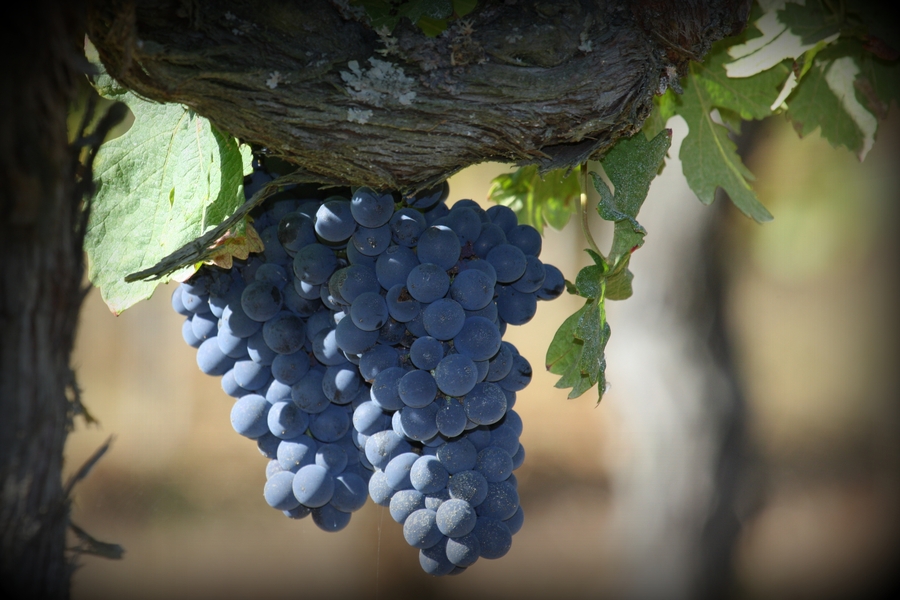
Duras is an early-budding, early-ripening variety. It grows fast, produces attractive winged bunches, and can give generous yields if left unchecked. But generous yields rarely mean quality. At Domaine Rotier, we work at high vine density (6,170 vines per hectare) so that each vine produces less and concentrates more.
It’s susceptible to powdery mildew, which calls for particular vigilance in organic viticulture, where only preventive treatments are allowed. The Autan wind, which naturally keeps the Gaillac vineyards healthy, is a valuable ally here. Less stagnant humidity, less fungal pressure, fewer interventions needed.
On our gravel soils (pebbles and gravel rolled down by the Tarn river), Duras finds natural drainage that spares it excess water and encourages gradual aromatic concentration. It ripens slowly, which is exactly what’s needed.
What Duras brings to the glass
Duras has an immediately recognisable aromatic signature: pepper. Not a vague spicy impression, but real black pepper, dry and direct, produced by a specific molecule (Rotundone) — the same one that gives northern Rhône Valley Syrah its peppery character. In cooler years, this note dominates. It can be very pronounced, almost intimidating for anyone not expecting it.
When the vintage is generous and full ripeness is reached, the register shifts: black cherry, kirsch, deep ripe fruit. The pepper stays in the background, but the fruit takes over. This is Duras at its most appealing.
What sets it apart from many other South-West French varieties is its natural acidity. Duras musts are naturally rich in malic acid, giving the wines a welcome freshness that holds up over time. In a context of climate change, where many wine regions are ending up with heavy, high-alcohol wines, this freshness becomes a considerable advantage.
With moderate tannin levels, it compensates with plenty of richness and velvety texture. It’s this combination — acidic freshness on one hand, enveloping texture on the other — that makes Duras so enjoyable to drink, even young. Its fine tannins can reach a truly silky texture when the winemaking allows it.
More than any other variety, Duras is very sensitive to yield. That’s its main variable. Once that’s under control, it proves remarkably well suited to our gravel soils, as if it had been selected for them. Which may well be the case, after five centuries of presence here.
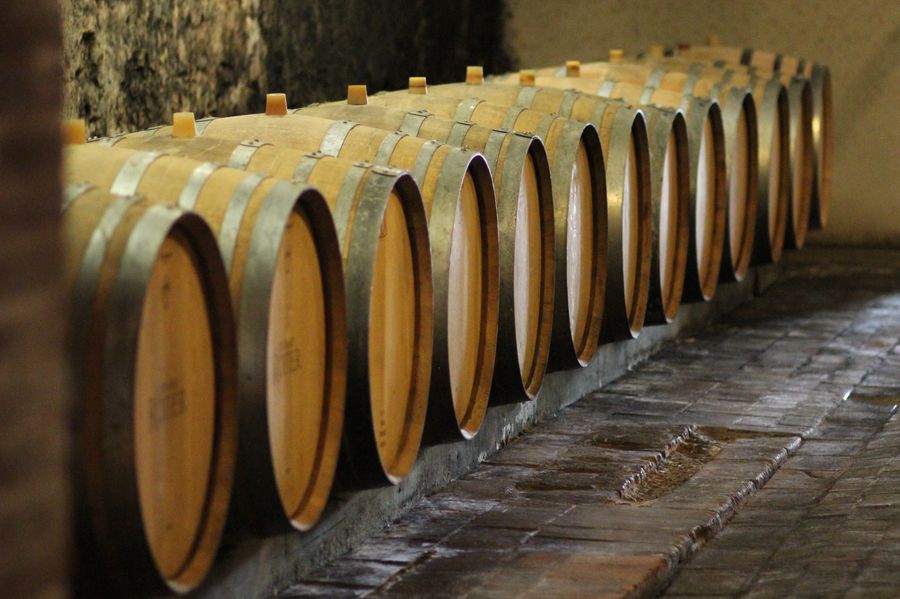
Duras at Domaine Rotier: from whole-berry fermentation to barrel
What’s remarkable about Duras is its ability to lend itself to very different winemaking styles. Different plots, different yields — but the same grape variety, and it adapts.
Duras and climate change: a variety for the future
This may be where Duras really comes into its own today. Many wine regions around the world are looking for varieties able to preserve freshness and acidity in increasingly warm conditions. Duras naturally produces that acidity. It keeps its tension where other varieties become heavier.
We can see the effects of climate change on wines from the neighbouring Languedoc: increasingly concentrated vintages, rising alcohol levels, a lushness that may seduce on the first sip but quickly becomes tiring. Duras is a natural response to this problem. Not by chance, not as an ideological choice, but by nature. It’s a variety made for hot summers and cool springs — a Gaillac variety long before it became a variety suited to a warming climate. But that warming climate is giving it a new relevance.
Frequently asked questions about the Duras grape variety
Where is the Duras grape variety found?
Almost exclusively within the Gaillac appellation, in the Tarn. Duras now covers over 800 hectares in this appellation. It’s extremely rare anywhere else in the world. Not to be confused with Côtes de Duras, an appellation in the Lot-et-Garonne that has no connection to this grape variety.
Why did Duras nearly disappear?
After the phylloxera crisis of the late 19th century, winegrowers favoured more productive varieties when replanting the vineyards. Duras, being demanding and less generous in yield, was sidelined. By 1968, it covered just 75 hectares. It was its inclusion as a compulsory variety in the 1970 Gaillac red AOC decree that saved it.
What aromas characterise Duras?
Black pepper is its main signature, produced by a specific molecule called Rotundone. In cooler years, this note dominates. At full ripeness, the variety expresses aromas of black cherry, kirsch and ripe fruit, with the pepper lingering in the background.
Which Domaine Rotier wines contain Duras?
Duras features in almost the entire red range: vinified by whole-berry fermentation in Les Choses Simples, blended in Esquisse, Les Gravels and Renaissance, and barrel-fermented in l’Âme. It’s also the main variety in La Vie en Bulles, our sparkling rosé.
Is Duras well suited to organic farming?
It’s susceptible to powdery mildew, which calls for particular vigilance in organic farming. But on Gaillac’s gravel soils, with the Autan wind naturally keeping the vines healthy, this sensitivity is well managed. Its natural freshness and fine tannins make it a variety perfectly suited to organic growing.
Conclusion
Duras is a grape variety that doesn’t need an invented story: it already has one, long and eventful. What it lacked was visibility. Gaillac is still too little known relative to what it produces, and Duras is still too often overlooked by wine lovers unfamiliar with the appellation. That’s starting to change. And climate change, paradoxically, is helping: vineyards around the world are looking for fresh, acidic, easy-drinking varieties. Duras has always been exactly that, here, in the Tarn.
→ Discover our organic red wines
→ See all our red wines